
Preface
Unfortunately, yes, bed bugs can “come back” after a professional treatment. This situation can arise due to two reasons: either the treatment missed some bed bugs and/or eggs (the most common cause) or the original source of the infestation was not addressed. Some examples of sources include a neighbouring infested unit that hasn’t been treated, a frequent visitor who has bed bugs, or a place you visit regularly, such as your workplace, that is infested.
In this guide, we aim to explore in detail why bed bugs may come back after a treatment and more importantly how you can prevent this from happening to you.
Why Bed Bugs Can Return After Professional Treatment
Missed bed bugs and/or eggs during treatment
Chemical spray treatments almost always lead to bed bugs coming back. Many times, the spray does not reach bed bugs that are hiding in cracks, crevices, and deep layers of the furniture (unless it is first dismantled). Another reason spray treatments don’t successfully eradicate bed bugs is that many bed bugs have developed resistance to the chemicals used. In a study titled Insecticide Resistance of Cimex lectularius L. Populations and the Performance of Selected Neonicotinoid-Pyrethroid Mixture Sprays and an Inorganic Dust, it is concluded that “most resistant bed bugs may not be effectively controlled by pyrethroids, neonicotinoids, or pyrethroid-neonicotinoid insecticide sprays.” Also, it is important to note that most common chemicals do not kill bed bug eggs, leaving them to hatch later.
Chemical/spray treatments are not the only treatments that can be unsuccessful. All treatment types can fail. What distinguishes a successful bed bug treatment from an unsuccessful one is the thoroughness of the exterminator. Bed bug infestations demand extreme attention to detail. Bed bugs are nocturnal creatures that hide deep in cracks, crevices, and unreachable places. For example, they can be found inside electrical outlets, gaps between baseboards, screw holes inside furniture, and many other hard to reach places. Successful treatments are often very labour-intensive, requiring dismantling of furniture and mechanical extraction of bed bugs and their eggs.
Reintroduction from outside sources
It is sometimes the case that the bed bug treatment was successful; however, the infestation eventually returned. The cause is often reintroduction from the original source or a new one. In multi-unit buildings, if a neighbouring unit is infested, bed bugs can migrate from there. If a place you visit regularly, such as your workplace office, is infested, you may eventually bring the bugs back home. Similarly, the same is true if you have a regular visitor who has bed bugs. On the other hand, you can also bring new bed bugs home from travel or from used items like furniture.
In the remaining article below, we will explore the measures you should take to prevent the bed bug infestation from returning.
The Critical First 72 Hours: Preventing Immediate Return
What you do immediately after the treatment significantly impacts whether the bed bugs will return. The bed bug control professional will always give you a set of instructions to follow before, during and after the treatment. If these instructions are not followed, it can be detrimental to the success of the treatment. Common post-treatment instructions include but are not limited to:
- Keep treated and untreated items separated: If there are any untreated items, the professional will instruct you on how to handle them.
- Clothing and laundry: The professional will instruct you on how to wash and dry your clothing and bed sheets. For example, you should use the “hot” setting to wash and dry all bedding and clothing.
- Perform post-treatment cleanup: The professional may advise you to vacuum some areas of your home thoroughly. It is important that after vacuuming you dispose of the vacuum bags in sealed plastic bags outside your home.
- Outside sources: If you suspect you know the source of your bed bug infestation, inform the bed bug control professional. Follow their instructions to ensure you do not bring them back. In addition, the professional will also educate you on how to avoid bringing bed bugs home through travel, public transport, and other public areas.
Weeks 1-2: Monitoring to Catch Returning Bed Bugs Early
The best way you can prevent a bed bug infestation from returning is to catch any survivors early. After the treatment the bed bug control professional will often provide you with bed bug inceptors and mattress encasements. It is important you install them after the treatment and keep them in place for as long as instructed.
Install Monitoring Devices
The bed bug interceptor traps are placed under all beds and furniture legs. These trap bed bugs trying to climb up and down. Check these regularly to see if there are any bugs trapped in them, if you find any, call your bed bug control professional immediately. You can learn more about these bed bug inceptors in our article titled Detecting Bed Bugs: Interceptors.
Create Protective Barriers
Encase all mattresses and box springs in bed bug proof covers/encasements. These are usually provided by the bed bug control professional. Keep beds pulled away from walls (at least 6 inches) and also ensure the bedding does not touch the floor.
Laundry Regularly
Use the “hot” setting to wash and dry all bedding (at least weekly) and clothing worn in areas you suspect may be infested.
Months 1-3: Preventing Long-Term Recurrence
If a month has passed by and you have not run into any bed bugs, congratulations! But we advise that you continue to take precautions and build habits that will ensure you never have to deal with bed bugs again.
Inspect your Home Regularly
Inspect the following items and places regularly:
- Mattress, check all seams, labels and piping (ensure you lift and check under the labels and piping – remember bed bugs like to hide)
- Box spring, life it up and check around the staples and seams of the dust sheet underneath
- Bed frames, especially behind the headboard and in and around any joints
- Furniture, all seams and cushions
- Behind picture frames and wall hangings
- Inside electrical outlets and switch plates
- Baseboards, particularly, where the baseboards meet the carpet
What you are looking for:
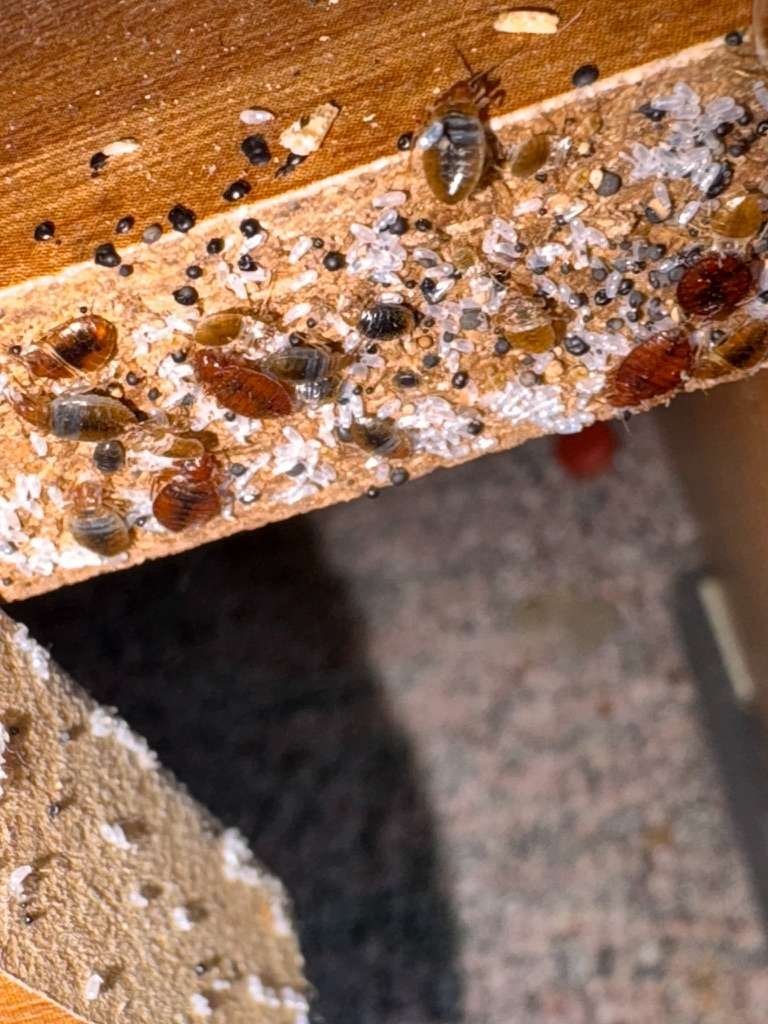
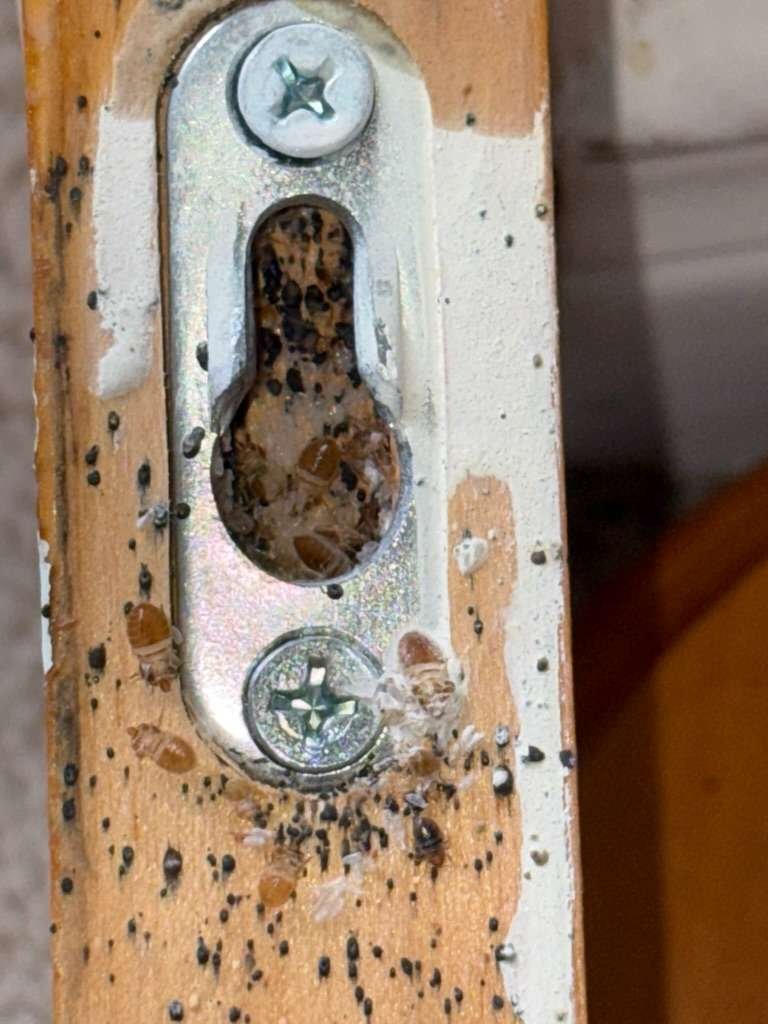
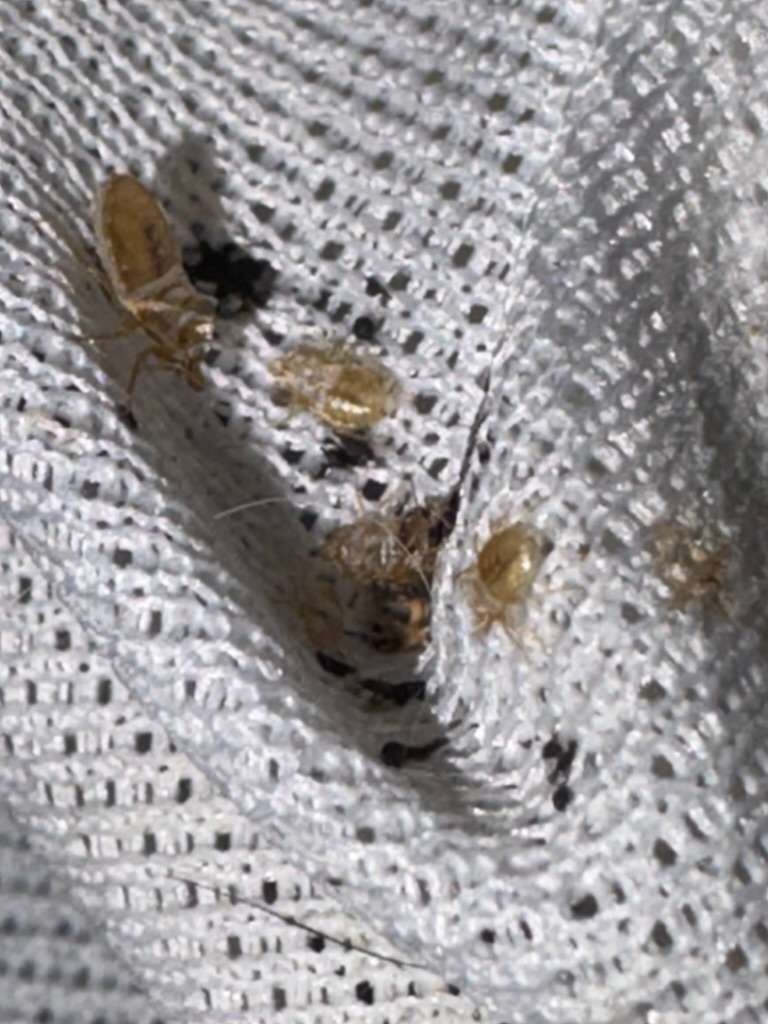
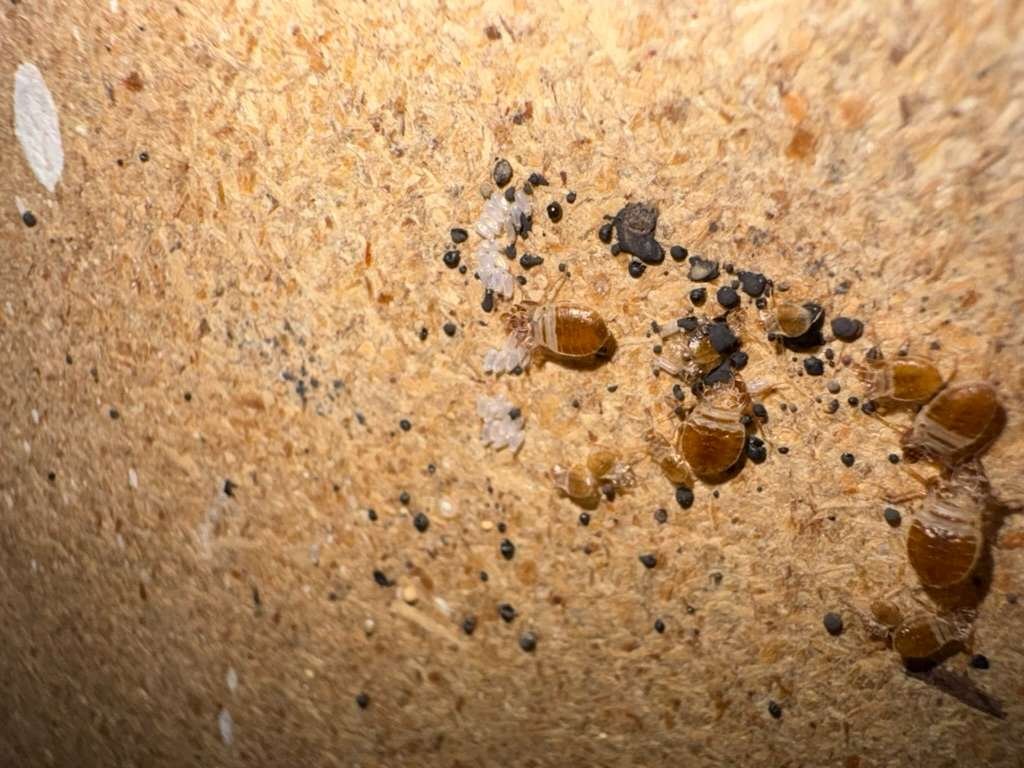
- Any live bugs: bed bugs range from 1mm-5mm in size, translucent to red-ish brown in colour
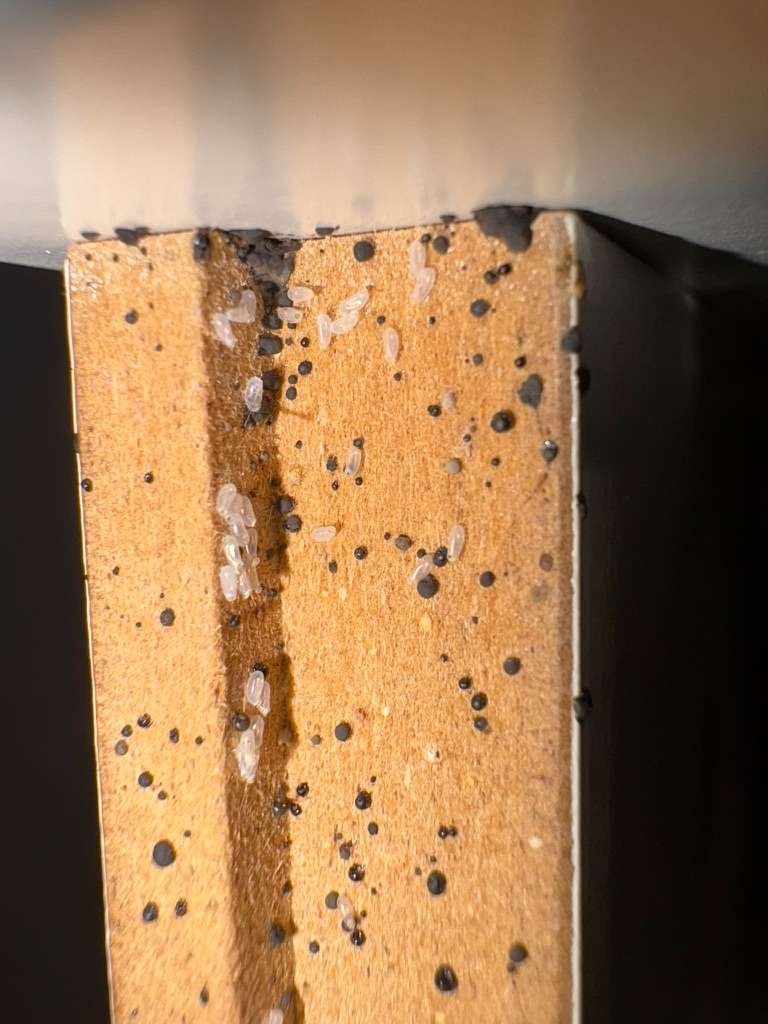
- Fecal matter: this is bed bug poop and looks like small black ink spots
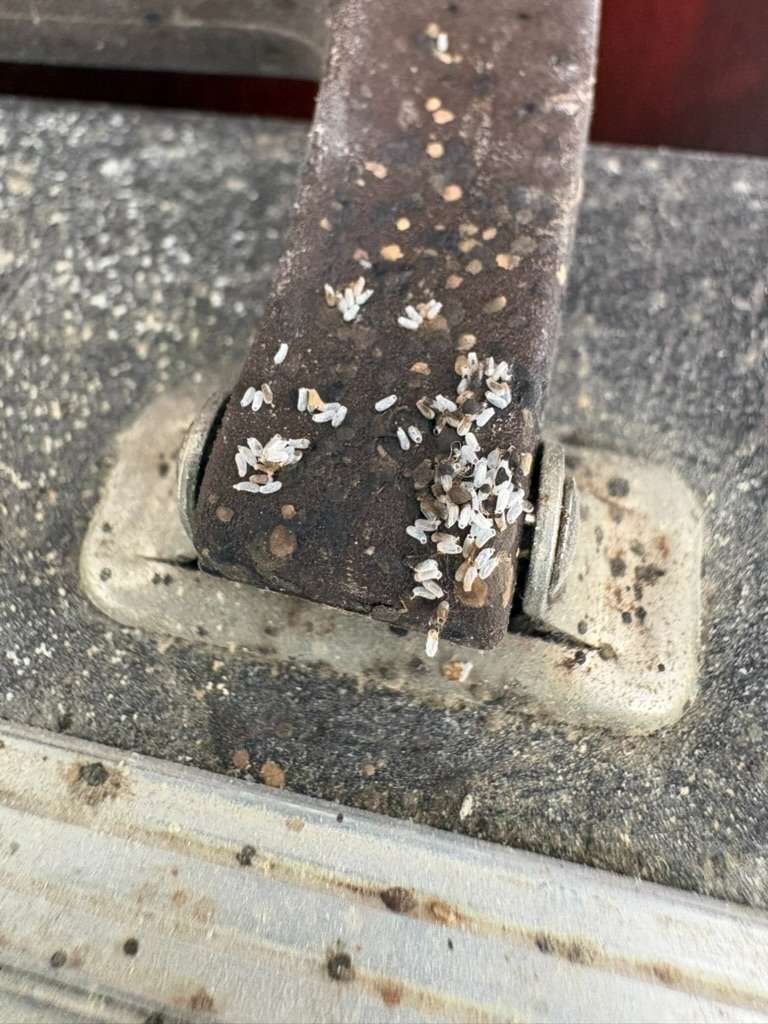
- Eggs: these are 1mm in size, white in colour and oval shaped. They are found in clusters and are often hard and cemented
- Bed bug exoskeleton: shaped like bed bugs, translucent and hollow
Ensure Physical Barriers are Installed
Keep bed bug interceptors under bed and other furniture in place for at least 6 months and do not remove mattress and box spring encasements.
Used Furniture and Clothing
Ensure you inspect used furniture thoroughly before committing to it or bringing it home and wash and dry all second hand clothing on the “hot” setting.
High-Risk Scenarios
For Those who Travel Frequently
Travel is one of the most common ways bed bugs return to treated homes. If you travel regularly:
- Keep luggage in the garage or bathtub upon returning home
- Immediately wash and heat-dry all clothing from trips
- Store luggage in sealed plastic bags or containers between trips
For Those in Multi-Unit Housing
If you live in an apartment, condominium or townhouse:
- Seal all cracks and crevices along shared walls
- Install door sweeps on all doors
- Apply caulk around pipe entries and electrical outlets
For Homes with Frequent Visitors
If you have guests over often or run a home-sharing business:
- Inspect the room once the guests have left
- Use light-colored bedding to make detection of bed bug signs easier
- Install mattress encasements
- Maintain a separate laundry protocol for guest bedding
How to Tell if Bed Bugs are Coming Back: Warning Signs
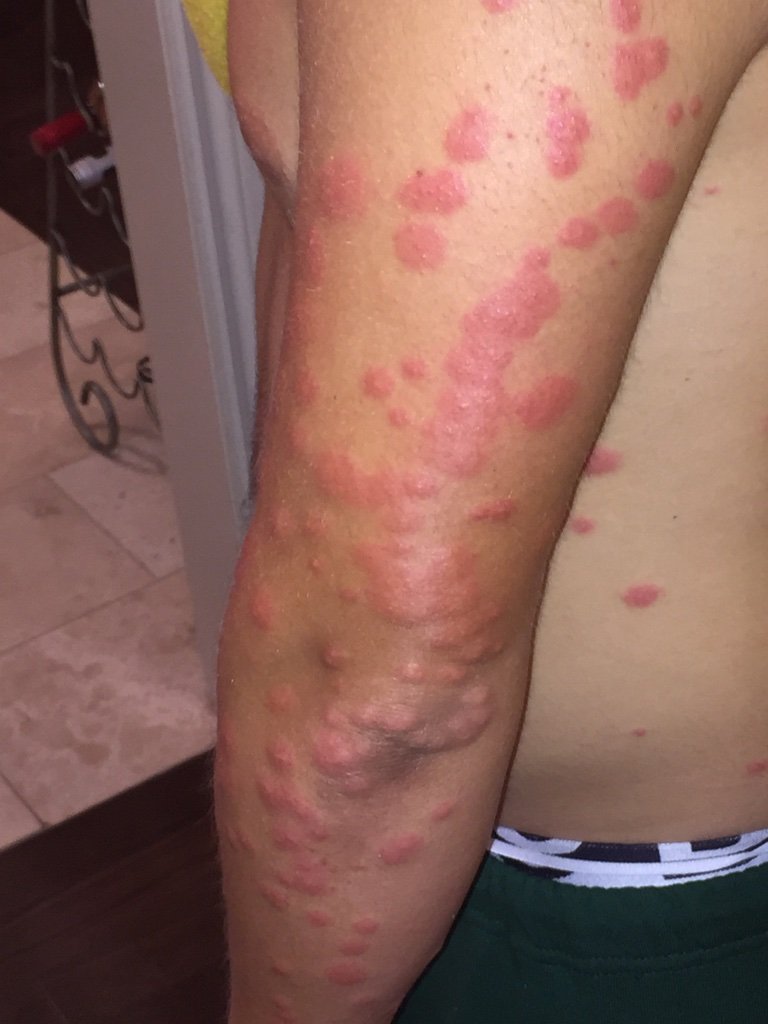
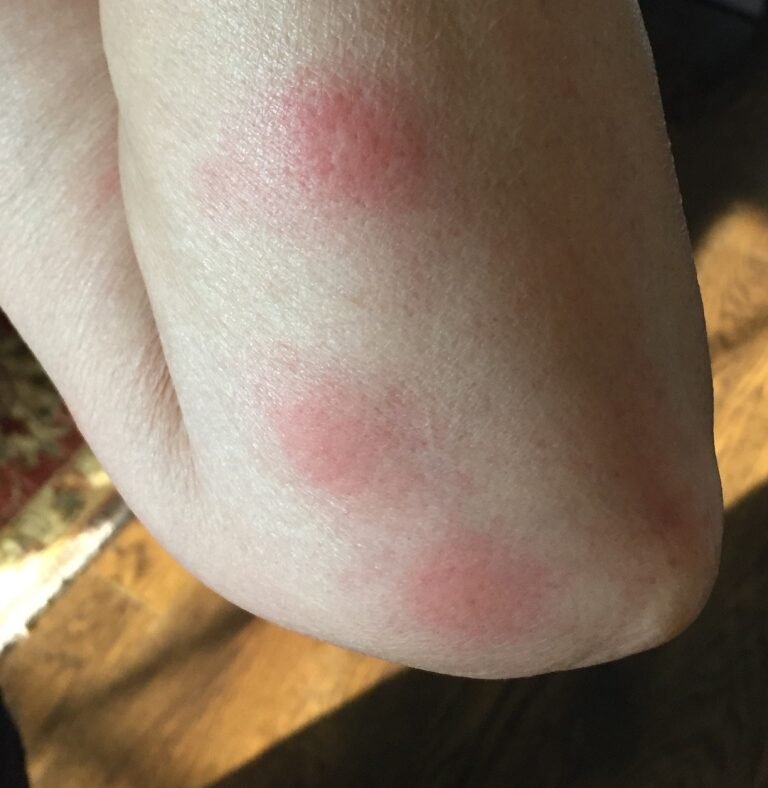
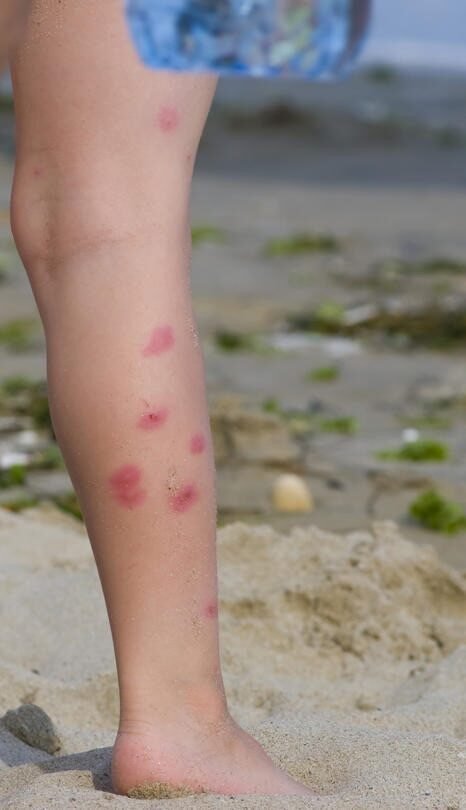
In addition to the signs mentioned in the ‘Inspect Your Home Regularly’ section, you should also look out for unexplained bites or itching, especially if they appear in a line or cluster (see pictures of bed bug bites below), and small bloodstains on sheets or pillowcases. If you notice any of these, contact your bed bug control professional immediately.
Professional Follow-Up Services that Prevent Returns
Many reputable pest control companies offer services specifically designed to prevent bed bug returns. They offer scheduled follow-up inspections (often included in treatment packages), regular inspections and warranty services that guarantee re-treatment if bed bugs return.
You should consider a bed bug control company that offers these services especially if you live in a high-risk area with known bed bug problems, have experienced multiple infestations in the past, travel frequently to high-risk locations or live in multi-unit housing where neighbouring units may have infestations.
Final Thoughts
Although bed bugs can return after professional treatment, implementing prevention strategies significantly reduces the chances. If you have questions about any preventative measures or notice any signs of a re-infestation, contact a Toronto bed bug control professional immediately.

